
Support 24/7

917-319-5341

Image Sequence Forging

In the fast-paced world of digital product creation and visual storytelling, generic “one-shot” AI images are no longer enough to stand out. Audiences demand narrative depth, and creators need precision.

If you’ve ever tried to generate a character transformation, a frame-by-frame sprite sheet, or a cohesive cinematic storyboard using standard text-to-video tools, you’ve likely run into the same massive bottleneck: the chaotic morph. You enter a prompt, change one word for the next frame, and suddenly your main character has a completely different face, their clothes have shifted color, and the background environment is entirely unrecognizable.

Enter Image Sequence Forging—the advanced, image-first rendering pipeline that gives you surgical control over temporal and visual continuity.

In this guide, we’ll break down exactly how this multi-stage workflow works, why it is a game-changing asset for your business, and how you can use it to build commercial-ready digital products at scale.

What is Image Sequence Forging?

Unlike traditional AI generators that render a single, isolated image from a single prompt, Sequence Forging utilizes a structured timeline pipeline. It bridges the gap between static concept art and fluid cinematic video by allowing you to map out an asset’s evolution frame by frame.

By breaking down a visual concept into a sequential journey—typically across a 4-frame storyboard timeline—the underlying AI pipeline carries the structural data and contextual memory from one frame to the next. The result? Smooth, highly coherent progression where the core subject identity stays perfectly intact.
The Power of the Multi-Stage Prompt Pipeline

The secret to mastering sequence forging lies in Prompt Evolution. Instead of asking the engine to guess a complex transformation all at once, you control the trajectory across distinct milestone states:

  • The Anchor Frame (Optional but Powerful): You lock in a base reference image using an Attachment ID or an image URL. This secures your baseline character design, lighting, and environment.

  • The Start Prompt: Establishes the baseline reality (e.g., A gritty cyberpunk detective standing in a dark, rain-slicked alley).

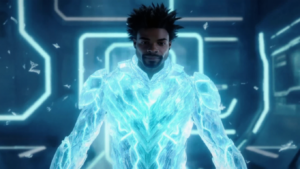
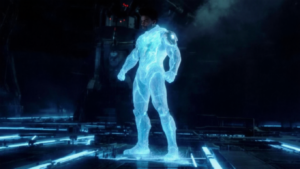
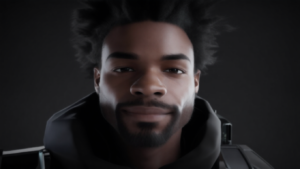
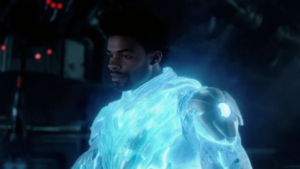
  • The Middle Progressions (Frames 2 & 3): Introduces incremental, controlled variations (e.g., Detective’s eyes begin to glow with blue neon energy grid lines $\rightarrow$ Cybernetic armor segments rapidly piece together across his torso).

  • The Final Prompt: Defines the peak resolution or completed mutation (e.g., Full body shot of a glowing, fully armored cyber-soldier standing on a neon platform).

Because the system processes these steps sequentially rather than independently, it preserves the vital visual data that off-the-shelf wrappers throw away.

3 Core Use Cases Transforming Digital Production

1. Metamorphosis & Supernatural Visual Effects (VFX)

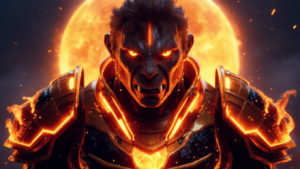
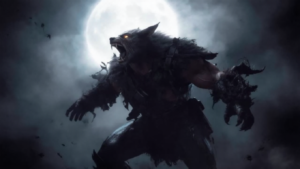
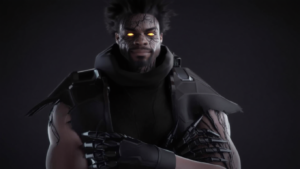
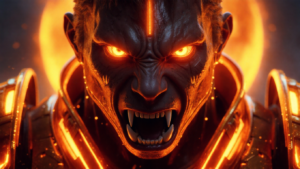
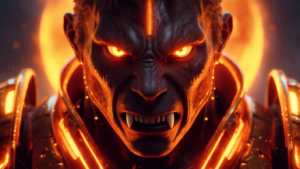
Whether you are rendering a superhero equipping a modular armor suit or an organic, dark fantasy sequence—like a human shifting frame-by-frame into a werewolf—sequence forging maintains the character’s underlying facial geometry. It allows elements like torn clothing or specific birthmarks to realistically carry through the entire transformation.

2. High-Coherency Video Storyboarding

Traditional text-to-video rendering is incredibly heavy on rendering power and execution time. Sequence forging acts as a high-efficiency pre-visualization tool. Creators can map out an entire narrative action sequence or scene transition for a minimal token cost, sharpening the visual concept perfectly before committing heavy resources to final long-form video generators like Kling or Runway.

3. Rapid Game Asset & Sprite Generation

Indie game developers use sequence forging to manufacture character evolution sheets, tactical positioning states, or complex asset animations (like a plasma weapon charging up over time). It eliminates hours of manual concept drawing while delivering matching asset variations that fit flawlessly into a game engine’s runtime event layer.
Monetization: Turning Sequences into Digital Products

For digital entrepreneurs, sequence forging isn’t just a cool creative tool—it’s a scalable production engine. Because the output delivers flawless visual consistency across multiple frames, these sequences are instantly ready to be packaged into high-value digital products:

  • Etsy-Ready Asset Bundles: Create highly niche, sequential graphics packs for content creators, streamers, and graphic designers.

  • Cohesive Coloring Books: Generate step-by-step fantasy progressions or themed coloring pages where characters evolve across pages.

  • Affirmation & Tarot Card Decks: Build stunning, premium visual decks with perfectly matching artistic styles and thematic continuity.

By lowering the time-to-render and offering an ultra-low token entry cost, creators worldwide can instantly add high-margin visual assets to their product history and scale their digital storefronts effortlessly.

Stop fighting random AI noise and start directing your visuals. By transitioning from chaotic single prompts to structured, multi-stage timelines, you unlock absolute creative authority over how your assets evolve.

Ready to turn a single image into a flawless cinematic progression? Head over to the Sequence Forge, select a preset, map out your timeline, and unlock professional-grade visual continuity in just a few clicks.
Hi, I'm Mira. Tap the Mira button anytime to open or close the guide.